



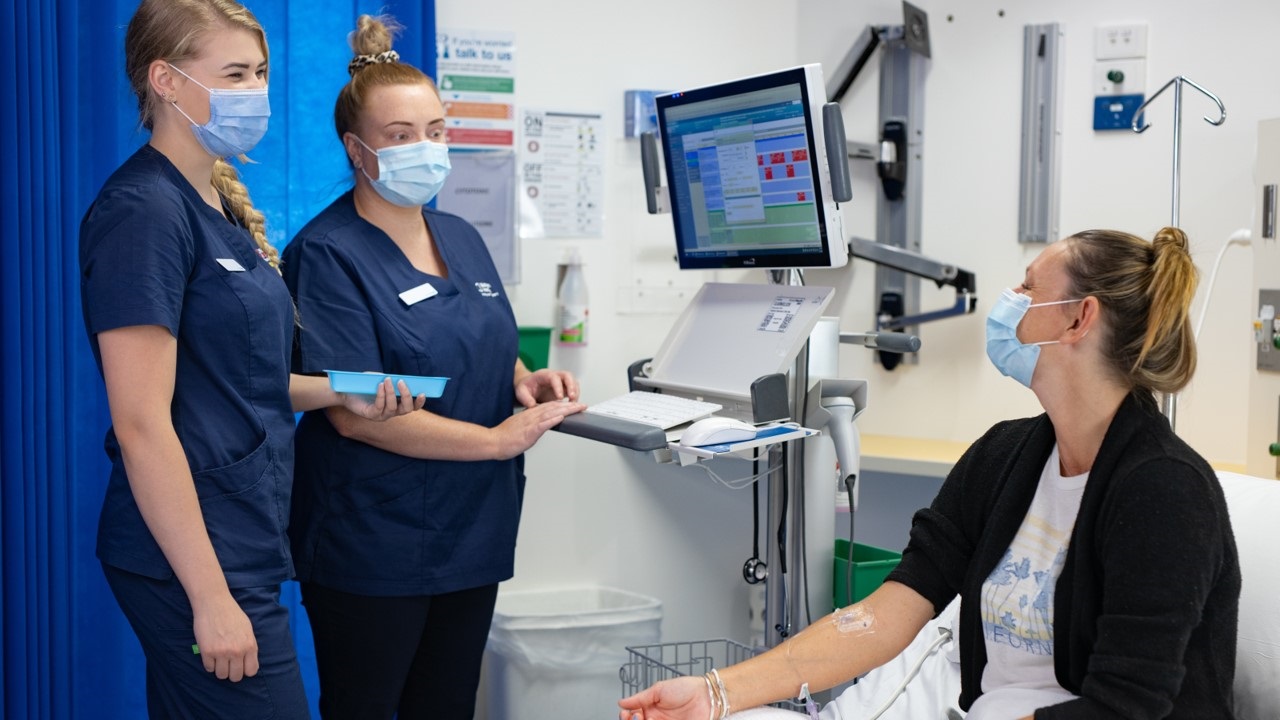
This week is International Infection Prevention Week, and we’ve covered a few key topics to remind you about the importance of maintaining safe infection prevention practices in your everyday roles and responsibilities. Today we are covering occupational exposures and our key message is – Safety first, always!
For our clinical employees, it is important to understand what occupational exposures are and how to respond to them if they occur. Read the FAQs on occupational exposures below.
What is occupational exposure?
An occupational exposure is an incident involving a healthcare worker where there is a risk of exposure to certain bloodborne viruses, for example, HIV, Hepatitis C or Hepatitis B, in the course of their work.
An occupational exposure requires blood or body fluid contact via a percutaneous injury such as a needlestick, bites, assaults, or a splash to mucous membranes, including the eyes or mouth, or non-intact skin.
What should I do if I have had an occupational exposure?
Step 1: First aid always comes first
If you have experienced a sharps injury, ensure the wound is thoroughly washed with soap and water, followed with antiseptic and remember do not squeeze the wound!
If you encounter a splash to your eyes, mouth or broken skin, wash and irrigate the area with normal saline, with up to 500ml for eye splashes.
Step 2: Report the incident promptly
Prompt reporting to the occupational exposure coordinator ensures timely management, advice and peace of mind for all team members involved in the incident. The steps you should take include:
- Notify your manager or delegate
- Notify the occupational exposure coordinator immediately via the site-based occupational exposure pager number. For community and satellite sites, please call switch and request the nearest site occupational coordinator is paged. Pager numbers are listed on occupational exposure posters displayed in clinical areas (example pictured below)
- Complete a Riskman

For your awareness, the occupational exposure pager numbers are as follows:
- Clayton #4411
- Moorabbin #8811
- Casey #3311
- Dandenong #7711
- Kingston #5511
How can I prevent occupational exposure?
Always apply standard precautions
Whenever there is anticipated contact with blood or body fluids, don eye protection, gloves, gown or apron as appropriate for the task. Cover any existing broken skin with an occlusive dressing, such as Tegaderm. Remember, do not attend work if you have broken skin that is unable to be adequately protected.
Ensure your vaccination status is up to date
All healthcare workers should be aware of their Hepatitis B vaccination status, including documentation of protective Hepatitis B antibody levels. Contact infectionprevention@monashhealth.org to review or update your employee health record if you are unsure.
Safe handling of sharps
- Always use safety devices and understand how they work prior to use
- Do not manipulate or break the safety device
- Dispose of sharps immediately
- Never recap a sharp
- Never pass a used sharp instrument directly from one person to another
[foogallery id=”73280″]
This week is International Infection Prevention Week and offers us the opportunity to recognise the important role of infection prevention professionals globally. This article is part of a series of spotlights on key infection prevention topics to remind you about the importance of maintaining safe infection prevention practices in your everyday roles and responsibilities. Keep an eye out for the next spotlight on standard precautions and immunisations!
Approved by Professor Rhonda Stuart.