



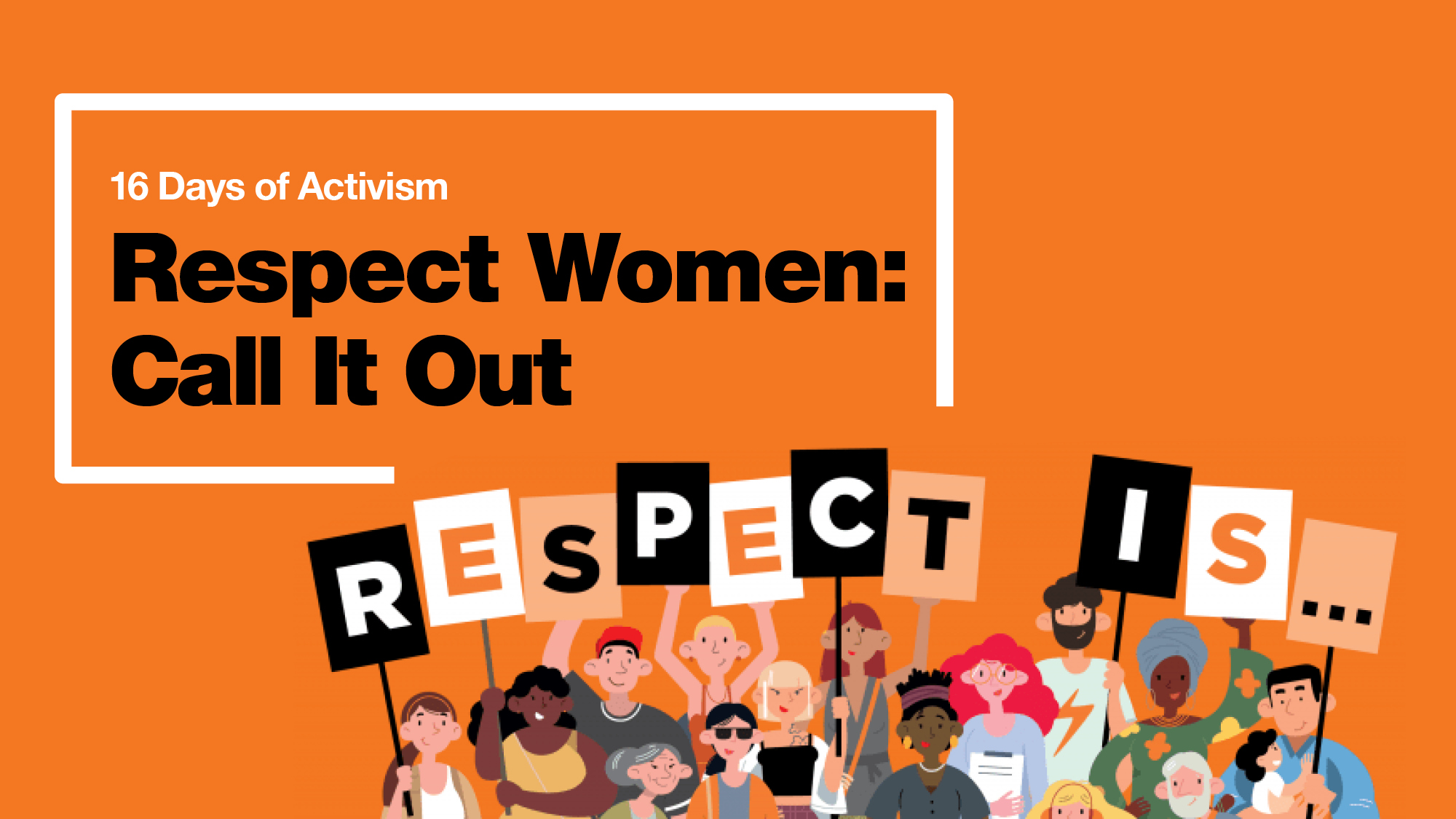
At Monash Health, we are committed to promoting respectful relationships for all.
As we come to the conclusion of our 16 Days of Activism Against Gender-Based Violence campaign, we invited Dr Naomi Pfitzner, Monash Gender and Family Violence Prevention Centre, Lecturer in Criminology, Monash University and Dr Ashlee Linck, Gender Equity Lead – Organisational Development and Learning, People & Culture, Monash Health to discuss on the importance of respectful relationships.
Our experts explored what is required to build respectful relationships, the relationship between inequality and gendered violence and the actions we can take to drive positive change, both at work and in our private lives.
Key drivers to gender inequality
Gender inequality is the key driver of gender-based violence.
Dr Naomi Pfitzner outlined the four main drivers of gender-based violence, according to Australia’s national prevention framework, Change the Story:
- Condoning of violence against women
- Men’s control of decision-making and limits to women’s independence in public and private life
- Rigid stereotyping and dominant forms of masculinity
- Male peer relations and cultures of masculinity that emphasize aggression, dominance, and control
She also highlighted that the COVID-19 pandemic has stalled progress toward gender equality across the globe and now the World Economic Forum, predicts that it will now take 135.6 years to close the global gender gap.
Promoting gender equality
It is crucial to have respectful relationships to help progress gender equality.
To do this, both Naomi and Ashlee outlined the need to address gender stereotypes and gender norms, intersectionality, and power and privilege, which can shape people’s experiences and compound negative experiences.
“Ways to support this include initiatives that target where people live, work, learn and play,” Naomi stated.
“Respectful relationships education at a national level is also key to promoting respect, inclusion, and gender equality, and ultimately preventing gender-based violence,” she continued.
Both Naomi and Ashlee highlighted the importance of raising this topic early in life and the wider implications that respectful relationships have on family violence later in life.
What are we doing at Monash Health
We are making progress to ensure that we address gender equality and promote an inclusive environment for all our employees.
Our Gender Equality Action Plan 2022-2025 (GEAP), outlines how we aim to provide fair opportunities to enable equal outcomes for all individuals regardless of their gender identities by 2025.
This Plan has been developed to ensure our employees have a voice, our approach is intersectional, and we have systems and process in place to ensure it is accessible and time framed. It is the roadmap to help us achieve our aim.
We continue to enhance gender equality in the workplace and demonstrate our commitment to our employees of all gender identities. We want everyone to feel safe, respected, included and treated fairly without bias and discrimination.
We can make a difference – look within, be curious, and be a good ally.
Watch the session
If you missed this valuable session, you can rewatch the event here.
You can also download a copy of our presenter’s slides with further reading, resources and contact details.
Approved by Adjunct Professor Katrina Nankervis