



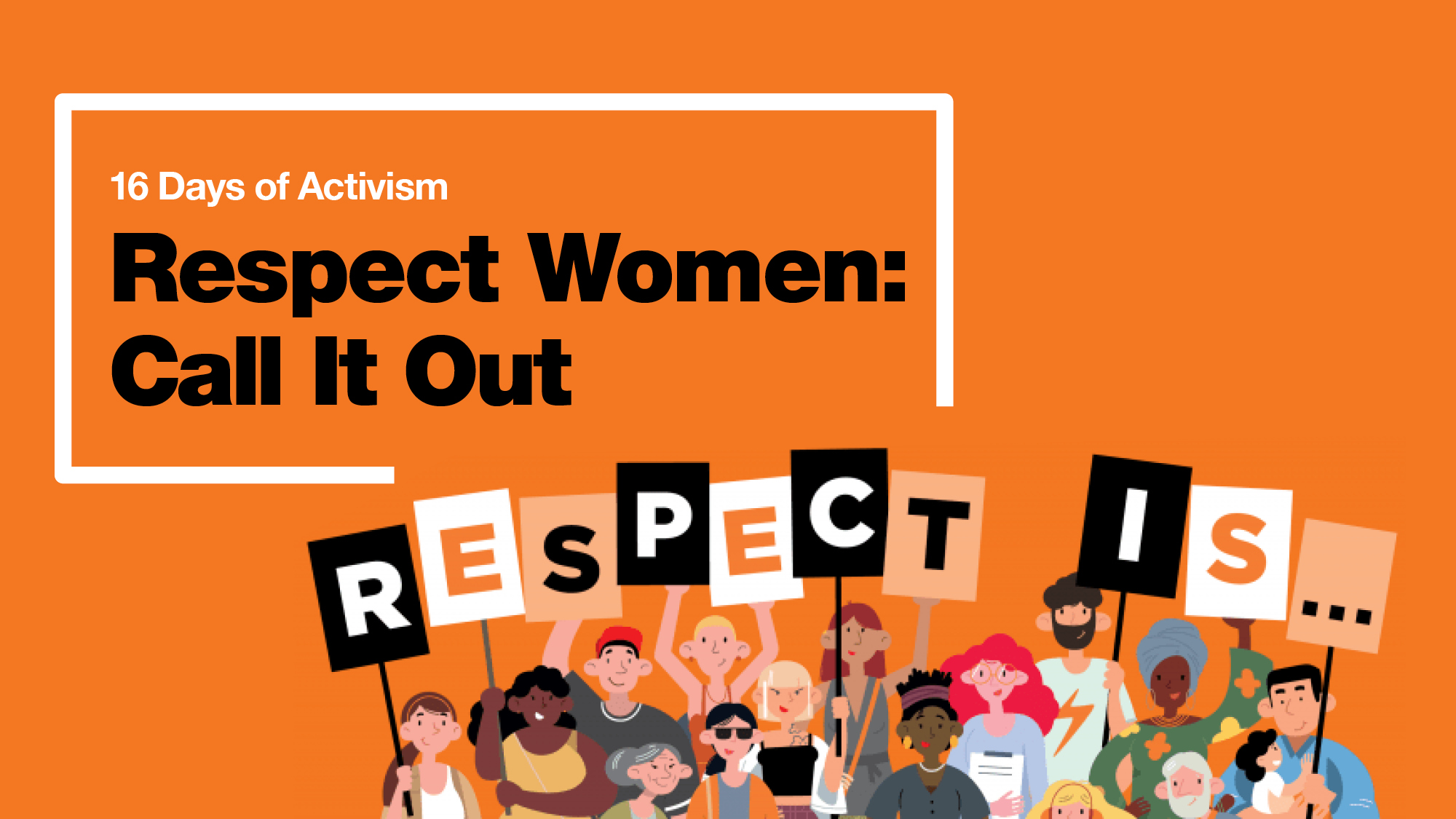
Tomorrow is Human Rights Day and the end of the 16 Days of Activism Against Gender-Based Violence campaign. We know that preventing family violence means acting every day, so what can we do to keep the conversation going?
Adjunct Professor Katrina Nankervis, Executive Director Nursing and Midwifery, explains there are many steps we can take to reduce the impacts of family violence and it starts with respectful relationships.
“During the 16 Days of Activism, we learnt the actions we can take in our day-to-day lives to promote and build respectful relationships at work and home,” she said.
Below are some of the steps that we can take as individuals to take action and keep this important conversation going.
Gender Equality in Action
Gender inequality is one of the primary drivers of gender-based violence and family violence. We also know that other intersecting forms of discrimination – including racism, ageism, homophobia, transphobia, and colonialism – are drivers of violence.
We are making strides to ensure that we address gender equality and promote an inclusive environment. Under our Gender Equality Action Plan (GEAP), we will enhance gender equality in the workplace and demonstrate our commitment to our employees of all gender identities to feel safe, respected, included and treated fairly without bias and discrimination.
Contact Dr Ashlee Linck via email ashlee.linck@monashhealth.org for more information on our GEAP.
Early intervention matters
Effective early intervention is an important part of stopping violence and protecting victim survivors from both immediate and long-term harm.
As a health service provider, we are in a unique position to identify and support individuals and prevent violence from reoccurring. We have support and programs in place to help you identify and respond to family violence and promote respectful relationships.
Know how to respond to disrespect
The Monash Health family violence clinical guideline has been developed to help you understand, identify and respond to family violence. You can access the guideline on PROMPT.
Often, when dealing with a presentation of family violence, you may not know what to do next. Within the guideline, the team has included a useful flowchart. The flowchart outlines the steps you should take in the situation, including when it is appropriate to contact the Family Violence team for a secondary consultation.
If you are worried about someone
If you witness family violence at work, or if there is an imminent or immediate risk of harm, exhibited by patients or visitors, follow procedure and call a Code Grey or Black. At no point should you put yourself in danger; we have support available. Once it is safe to do so, follow the appropriate post-incident procedure and guidance on Prompt.
Update your knowledge
There are education and training options that can support your role. These include:
- Family violence workplace response: supporting our employees
- Information sharing schemes – clinical education
- Family violence sensitive practice (victim survivor) – clinical education
- Family violence intermediate practice (victim survivor) – clinical education
Enrolments are available through LATTE.
Support for employees impacted by family violence
Monash Health provides a safe space and support for employees impacted by family violence. This includes:
- confidential counselling through the Employee Assistance Program (1300 338 465)
- family violence leave
- flexible work options
Your manager or supervisor is also available to support you and discuss your options, including family violence leave, or you can contact your People and Culture Business Partner via the advice line on (03) 9265 2724.
If you are a manager, there is a Manager’s guide to supporting our employees available. It provides practical information on identifying the signs of family violence, initiating sensitive conversations, developing a safety plan and other support.
A range of external service providers is also able to support employees who are experiencing family violence.
- 1800RESPECT (1800 737 732) – the national sexual assault and family violence counselling service, available online and on the phone 24 hours a day, seven days a week.
- Safe Steps Family Violence Response Centre (1800 015 188) – crisis service providing support for women and children, available 24 hours a day, seven days a week.
- Kids Helpline (1800 55 1800) – a private and confidential phone and online counselling service available for children and young people aged five to 25, available 24 hours a day, seven days a week.
- No to Violence (1300 766 491) – national referral service working with men to end family violence, available in Victoria weekdays 8am – 9pm, weekends 9am – 5pm.
- MensLine Australia (1300 78 99 78) – telephone and online counselling service specialising in family and relationship concerns, available 24 hours a day, seven days a week.
Approved by: Adjunct Professor Katrina Nankervis